
US Doctors Lag Behind in Identifying Novel Synthetic Drugs, Hindering Patient Treatment
In the United States, doctors treating overdose patients are significantly behind law enforcement, employers, and the public in identifying novel synthetic substances rapidly entering the illicit drug supply due to regulatory hurdles. While fast, point-of-care drug tests are available for…

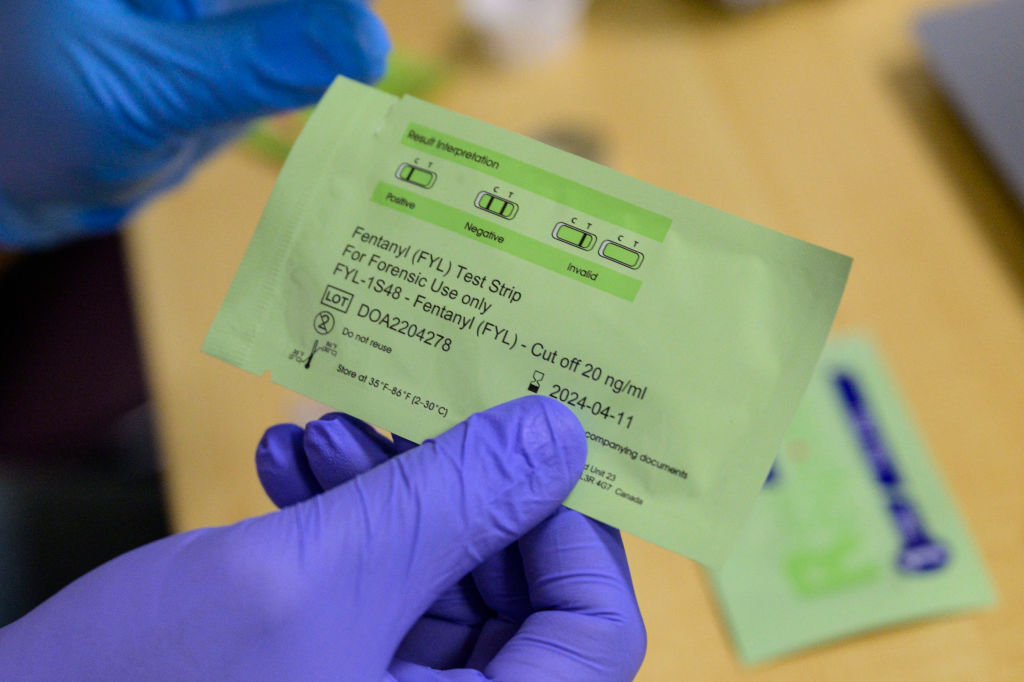
 Sioux Falls, SD, November 1, 2026 — In the United States, physicians are facing significant challenges in rapidly identifying novel synthetic substances found in patients presenting with overdoses. This lag places medical professionals behind other sectors, including law enforcement, employers, and the general public, in recognizing and responding to new drugs entering the illicit supply.
The primary obstacle identified is the complex regulatory pathway for clinical diagnostic tests. While rapid, point-of-care drug testing solutions are available for forensic and general applications, the development and deployment of tests for clinical use by physicians are subject to lengthy approval processes. These include requirements for FDA approval and CLIA waivers, which are necessary for tests used in patient care settings.
This regulatory environment leaves doctors without critical real-time information. Such immediate data is essential for effectively treating patients who may have been exposed to substances with unique and potentially severe clinical implications. The summary notes that substances like xylazine and nitazenes are among those entering the illicit drug supply, possessing distinct characteristics that necessitate specific treatment approaches.
The consequence is a gap in diagnostic capability at the point of care, potentially affecting patient outcomes. The development and availability of faster, clinically validated diagnostic tools are needed to equip healthcare providers with the necessary information to manage acute overdose cases involving emerging synthetic drugs.
Story summarized from the original created by Dr. Shravani Durbhakula and Jeremy Kourvelas on time.com, see more information here.
Media gallery
